
Categories
ATO Updates EV Home Charging Rate: What It Means for You
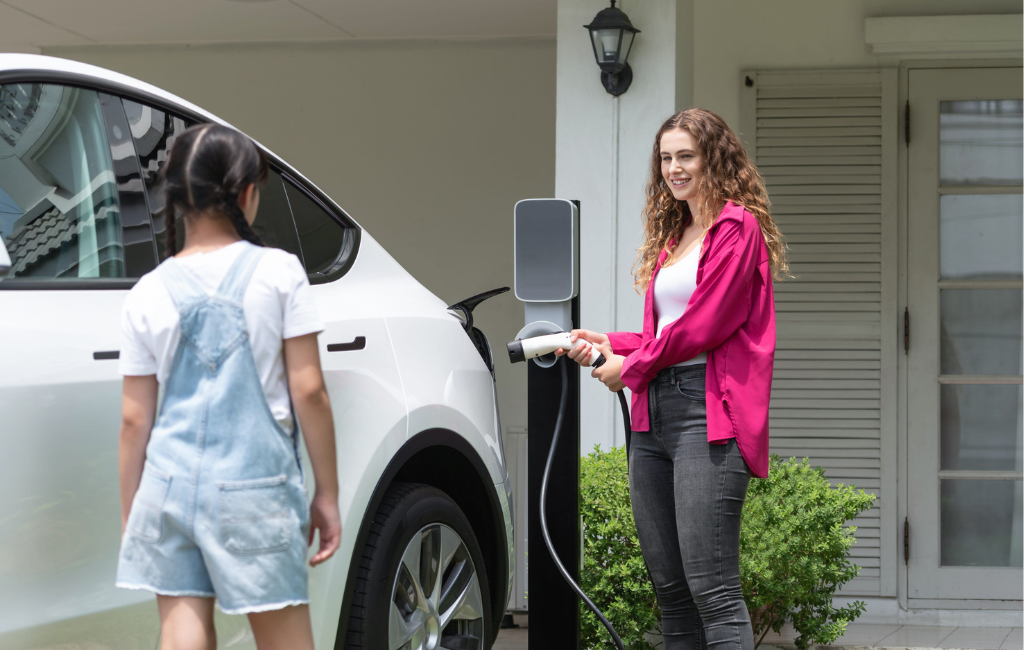
The ATO has announced a significant update that will affect anyone using electric vehicles (EVs) or plug-in hybrid electric vehicles (PHEVs) for work or fleet purposes and where the vehicle is charged at the relevant individual’s home.
From 1 April 2026 (for FBT purposes) or from 1 July 2026 (for income tax purposes), the ATO’s standard home-charging electricity rate will increase from 4.20 cents per kilometre to 5.47 s
This rate acts as a simple, ATO-approved shortcut when your household electricity bill doesn’t separately show EV-charging usage. For example, instead of tracking kilowatt hours or installing specialised equipment, you can simply apply the cents-per-kilometre rate to the number of kilometres travelled by the vehicle to determine the cost of electricity used in the vehicle.
The update reflects rising electricity costs and gives both businesses and individuals a more realistic amount for home charging costs.
Employers
If you provide EVs or PHEVs to employees — whether through a novated lease, company vehicle, or salary packaging arrangement — the higher rate increases the electricity cost attributed to the vehicle. In practice, this can:
- Initially increase the taxable value of the benefit when using the operating cost method.
- Increase employee “recipient contributions”, which directly lowers your FBT bill.
- Impact on the calculation of reportable fringe benefits amounts.
Individuals claiming work-related car expenses
If you use the logbook method to claim deductions, you can apply the new rate to the business-use portion of kilometres travelled from the start of the 2026–27 year onwards. Older years (back to 2022) continue to use the 4.20-cent rate.
How to make the most of the Guideline
A few basic records are all the ATO requires:
- Odometer readings — ideally at the start and end of each FBT or income year.
- A valid logbook showing business vs private travel (if using the operating cost/logbook method).
- At least one electricity bill to demonstrate that you actually incur home electricity costs.
- For PHEVs — keep petrol receipts. You must separately calculate the petrol component using the manufacturer’s hybrid-mode fuel consumption figure and apply the ATO home-charging rate only to the electric kilometres.
Tip: Many EVs now report the exact percentage of charging done at home vs public stations. Using this data makes claims more accurate and can potentially increase deductions.
An example
An employee owns their own EV and drives 25,000km in 2026–27 for work purposes.
Home-charging cost = 25,000 × 5.47c = $1,367.50 (up from $1,050).
That extra $317.50 can meaningfully reduce the employee’s taxable income for the 2026-27 income year.
What should you do now?
- Ensure the existing lower rate is used when applying the FBT rules for the year ended 31 March 2026 and when calculating deductions for the income year that ends on 30 June 2026.
- Make a note to use the updated rate for the current FBT year and the income year starting on 1 July 2026.
Electric vehicle adoption is accelerating, and the updated ATO rate will improve the tax outcomes for many taxpayers, while keeping compliance simple. If you operate a fleet, offer salary packaging, or claim car expenses personally, now is a great time to model the impact. Our team can help you run the numbers and ensure you receive every benefit you’re entitled to.
Disclaimer: This information is general in nature and does not constitute tax advice. Outcomes depend on individual circumstances and current ATO rules. Professional advice should be obtained before making decisions.